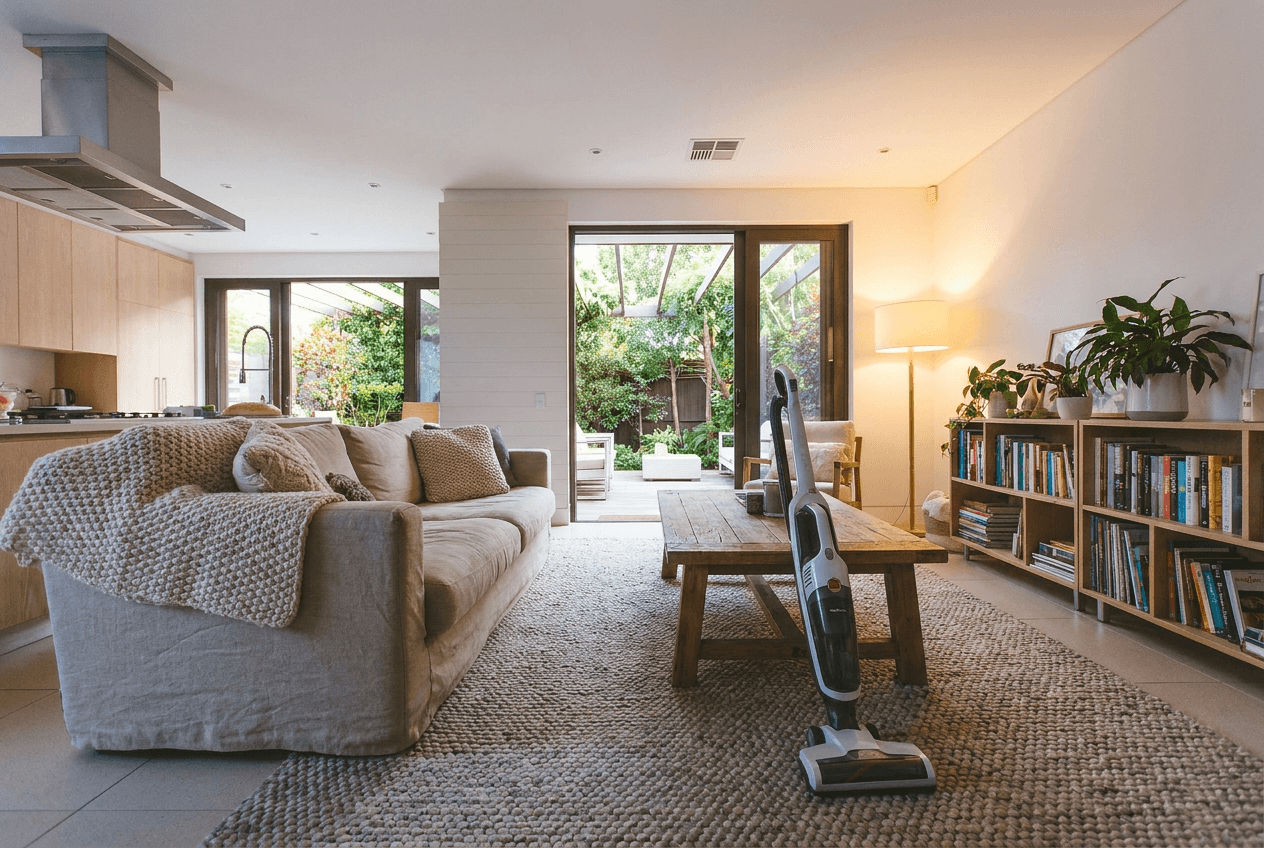
You can effectively learn how to clean a rug at home by vacuuming both sides and applying a mild detergent or material-specific cleaner with a soft cloth. Gently blot stains to protect the fibers, using dry powders for shag piles and minimal moisture for wool or synthetic materials. If a rug is heavily soiled or particularly delicate, professional services are recommended for a deeper and safer clean.
A vibrant area rug often serves as the soul of a room, yet it inevitably becomes a magnet for everyday foot traffic, pet dander, and accidental spills. For many homeowners, the primary challenge lies in the fear that a well intentioned deep clean might inadvertently damage delicate wool fibres or leave a synthetic pile feeling stiff and uninviting. Maintaining your floor coverings is not merely about aesthetics; it is a vital step in preserving the indoor air quality and the longevity of your investment. In this comprehensive guide, we provide a practical roadmap for refreshing your textiles with professional precision. You will learn tailored cleaning techniques for materials ranging from durable nylon to sensitive jute, alongside expert strategies for effective deodorizing. Finally, we identify the critical signs that indicate a rug requires the specialised equipment and expertise of a professional service.
Essential Preparation Before Cleaning Any Rug at Home
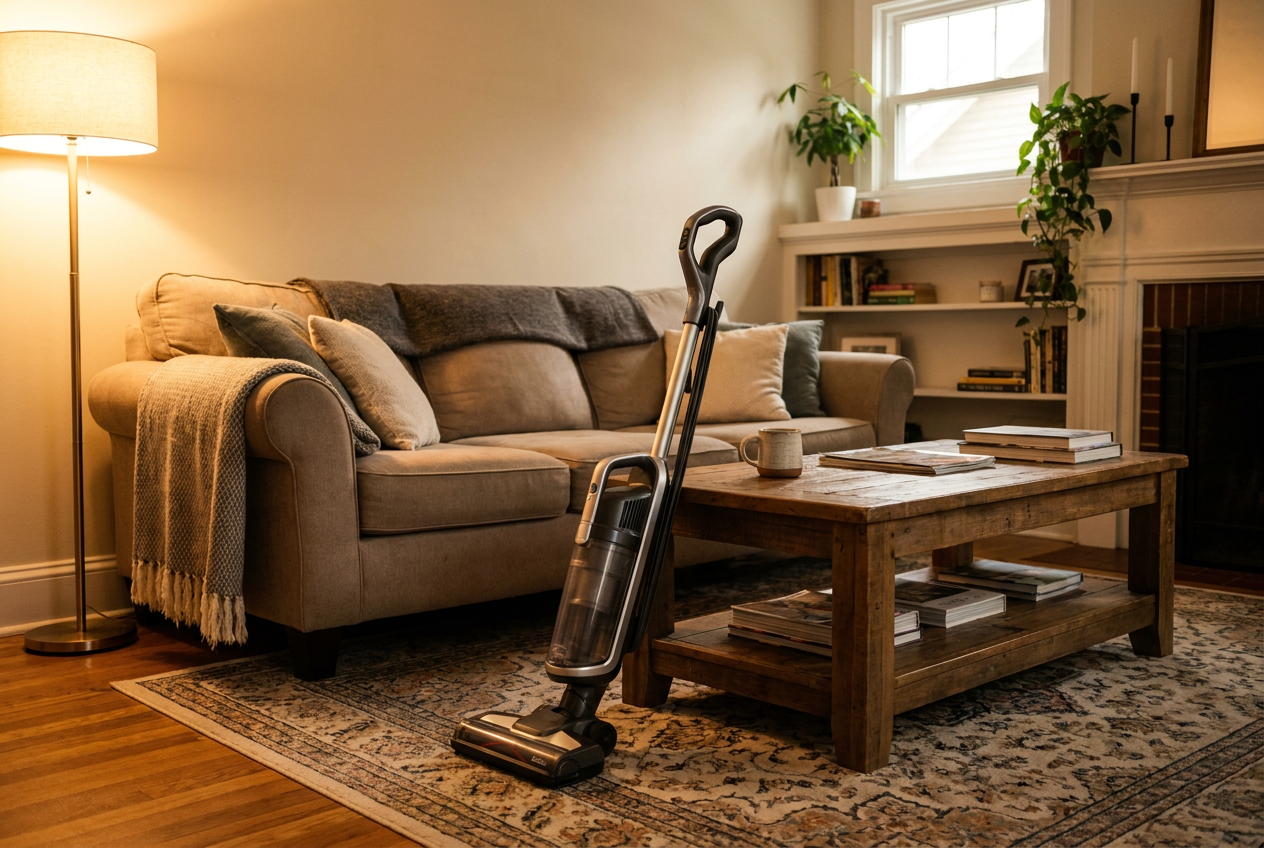
Learning how to clean a rug at home starts long before you reach for the soap. It requires a methodical approach to ensure you do not inadvertently damage the piece. Simply running a vacuum over the surface is insufficient for a deep clean, and improper technique can lead to permanent structural or aesthetic damage.
Before applying any liquid, perform a rigorous colourfast test. While many guides mention this briefly, the execution is vital: dampen a clean, white cloth with water and press it firmly against a small, inconspicuous area of the rug for thirty seconds. If even a hint of dye transfers to the cloth, the rug is not colourfast. In these cases, avoid DIY methods and contact a specialist for professional rug cleaning to prevent ruining the pattern through colour bleeding.
Preparation also involves clearing the area completely. Move all furniture to prevent rust marks from metal feet or wood stain transfer. When vacuuming to remove loose grit, always disengage the beater bar for delicate or hand-knotted rugs, as the rotating brush can shred fine fibres. Finally, because Warwickshire is known for its hard water, use distilled water for any cleaning solutions. This prevents mineral deposits from building up in the pile, which often makes the rug feel stiff or look dull once dry. Taking these precautions ensures your deep cleaning services at home are safe and effective.
How to Clean a Wool Rug Without Ruining the Fibres
Once you have confirmed your rug is colourfast, you must tailor your approach to the specific fibre. Wool rugs are a staple in traditional Warwickshire cottages; their durability and warmth make them excellent investments, but they are surprisingly delicate during the cleaning process. Because wool is a natural protein fibre, it reacts poorly to high temperatures and alkaline chemicals. Heat can cause the scales of the wool to interlock and shrink, while harsh detergents can strip the natural lanolin, leaving the pile brittle and dull.
To safely manage how to clean a rug at home when it is made of wool, use only cold water mixed with a small amount of pH-neutral, wool-safe detergent. When treating a stain, employ a strict blotting technique. Press a clean cloth firmly into the spot to lift the liquid; never scrub. Scrubbing agitates the fibres, causing them to fray or "bloom," which permanently alters the texture of the rug.
A critical mistake often seen in generic guides is the suggestion to thoroughly wet the piece. You should never soak a wool rug. Unlike synthetic alternatives, the dense core of a wool rug can retain moisture for several days if saturated. In the cooler, humid climate typical of the English Midlands, this trapped moisture often leads to dry rot or the growth of mould within the foundation. If a wool rug requires more than a surface refresh, it is safer to seek professional rug cleaning rather than risking the structural integrity of a high-value piece. Maintaining these natural fibres correctly ensures they remain a centrepiece of your home for decades.
Cleaning Synthetic Rugs: Polyester, Nylon, and Polypropylene
While natural wool requires a delicate touch, synthetic rugs made from polyester, nylon, or polypropylene allow for a slightly more robust approach. These materials are the workhorses of the modern home, frequently found in high-traffic Warwickshire hallways and kitchens due to their stain resistance and durability. When considering how to clean a rug at home that is constructed from these man-made fibres, you can safely utilise mild dish soap and water, provided you control the moisture levels.
To effectively perform rug cleaning without a machine, the "dry foam" method is the most reliable manual technique. Fill a bucket with water and a small amount of clear dish detergent, then agitate the mixture until a thick layer of suds forms on the surface. Using a soft-bristled brush, scoop up only the foam, avoiding the liquid below, and work it into the rug pile in gentle, circular motions. This specific approach prevents the water from reaching the rug's backing, which is often held together by latex that can degrade if over-saturated.
After treating the surface, wipe away the foam with a clean, damp microfibre cloth to ensure no sticky residue remains. While this manual method is excellent for routine deep cleaning services and surface-level refreshes, synthetic fibres can still trap fine grit at the base of the weave. If the rug remains dull after a manual scrub, it may require the high-suction extraction provided by professional rug cleaning to fully restore the pile.
The Challenge of Shag Pile and Fluffy Rugs
Shag pile and deep-fluff rugs present a unique maintenance challenge due to the sheer length of their fibres. If you are researching how to clean a fluffy rug by hand, the most important rule is to keep it dry. Water is the primary enemy of long-pile textiles; once saturated, the individual strands tend to clump and mat together, which can permanently ruin the cloud-like texture.
The most effective way to refresh these rugs involves a two-stage dry process. First, return to the old-fashioned method of physical agitation. Take the rug outdoors and hang it over a sturdy washing line or balcony rail. Using a rug beater or a clean broom handle, strike the back of the rug firmly. This dislodges the heavy grit, pet dander, and dust that settle at the very base of the long fibres, which even powerful vacuums often fail to reach in a typical Warwickshire home.
Once the loose debris is removed, employ the powder method. Sprinkle a specialized carpet cleaning powder or a generous layer of baking soda across the entire surface. Work the powder into the pile gently using your hands, then leave it for at least thirty minutes to absorb oils and odours. Vacuum the rug thoroughly using only the suction attachment to avoid tangling the long strands in a rotating brush. To finish, use a wide-tooth comb to gently groom the fibres, restoring the original loft and volume. For high-traffic areas where dirt has become compacted at the foundation, professional rug cleaning is often necessary to achieve a complete refresh without risking the felted matting that DIY liquid cleaning causes. These deep cleaning services ensure the rug remains hygienic without losing its tactile appeal.
Natural Fibre Care: How to Clean a Jute or Sisal Rug
Jute and sisal rugs require a fundamentally different strategy because they are essentially dried plant materials. These fibres are exceptionally absorbent, meaning that even a small amount of excess moisture can cause permanent browning, water-marking, or structural warping. When you are learning how to clean a rug at home made of these materials, you must adopt a dry-only approach to prevent ruining the aesthetic.
For routine maintenance, use a soft-bristled brush to gently agitate the surface. This dislodges trapped dust and grit without fraying the coarse weave. If a spill occurs, act immediately with a cloth that is only very lightly dampened with cold water, blotting rather than rubbing. Never use a steam cleaner on jute or sisal; the combination of high heat and moisture will almost certainly result in unsightly brown stains that are nearly impossible to remove. For persistent stains or overall dullness, deep cleaning services are safer than DIY liquid methods. In many cases, if the staining is deep, professional rug cleaning is the only way to treat the fibres without risking the water damage common to these plant-based textiles.
Why Baking Soda is Your Best Friend for Rug Deodorizing
When researching how to clean a rug at home, many people ask: why baking soda on rug? The answer lies in its ability to act as a chemical neutraliser. Unlike commercial sprays that simply mask unpleasant smells with heavy perfumes, sodium bicarbonate is amphoteric. This means it reacts with both highly acidic and highly alkaline odour molecules, effectively stripping the scent away at a molecular level. This is particularly effective for managing the persistent pet odours or dampness often found in Warwickshire households.
For a bespoke scent, follow a popular method of mixing a cup of baking soda in a jar with five drops of an essential oil, such as lavender or lemon, before sprinkling it over the surface. Leave the mixture to sit for at least an hour to absorb deep-seated smells. However, the final step is critical. You must use a high-quality vacuum equipped with a HEPA filter to remove every particle. Without thorough extraction, fine powder remains at the base of the pile, where it can eventually attract more moisture and grit. If odours persist, the source may be trapped in the rug backing, requiring professional rug cleaning to fully sanitise the piece. These deep cleaning services ensure no residue remains to act as a magnet for future dirt.
Why Does My Rug Feel Crunchy or Look Dirtier After Cleaning?
Many homeowners complete their DIY project only to find the rug feels stiff or appears to attract soil faster than before. This phenomenon is almost always caused by soap residue. When researching how to clean a rug at home, the natural inclination is to use more detergent for a perceived deeper clean. However, household tools lack the industrial-grade rinsing capabilities required to flush these chemicals from the dense pile.
As the rug dries, the evaporated moisture leaves behind a concentrated, sticky film. This residue acts like a magnet, bonding to dust, skin cells, and outdoor grit. Consequently, the fibres become crunchy and discolour rapidly under normal foot traffic. This is a primary reason why DIY efforts often result in a rug that looks dirtier within weeks of being cleaned.
Bridging the gap between a surface refresh and a true restoration requires professional rug cleaning. Unlike manual scrubbing, professional hot water extraction systems use high-powered vacuums to remove every trace of surfactant. These deep cleaning services ensure the rug is left pH-neutral, soft to the touch, and free of the sticky deposits that lead to rapid re-soiling. Understanding this distinction is vital for maintaining the longevity of your floor coverings in a busy household.
DIY vs. Professional Rug Cleaning: When to Call Hayojum Limited
Knowing how to clean a rug at home is an essential skill for managing immediate spills or performing routine refreshes between seasonal visits. DIY methods provide a cost-effective way to maintain aesthetics; however, domestic equipment often lacks the high-pressure extraction necessary to reach the very bottom of the pile. In Warwickshire homes, where outdoor debris and allergens are frequently tracked indoors, a surface clean may leave grit hidden at the base, eventually wearing down the fibres through friction.
Professional rug cleaning becomes essential when faced with biological contaminants like pet urine, which requires specialist enzyme treatments to break down proteins rather than just masking the scent. Similarly, antique pieces or silk blends are too delicate for standard home solutions. You should cease DIY efforts and contact Hayojum Limited for deep cleaning services if you encounter these three red flags:
Persistent odours that remain after the rug has dried completely.
Stubborn stains that have not budged after a single, gentle blotting attempt.
The rug is a high-value heirloom or contains silk, as these require controlled drying environments to prevent fibre distortion.
Our team brings specialised equipment directly to Warwickshire residents, ensuring that even the densest weaves are thoroughly sanitised. When a simple refresh is no longer enough, professional rug cleaning offers a level of hygiene and fibre protection that manual scrubbing simply cannot replicate.
Maintaining your rugs requires a careful balance of regular care and specialized knowledge of different materials. While many spills can be managed with home remedies, delicate fibers or stubborn stains often demand a more refined approach. If you want expert help ensuring your rugs remain in pristine condition without the risk of damage, feel free to explore our professional Services. We are here to provide the specialized care your home deserves, making the process simple and stress-free.