Common cleaning mistakes to avoid include spraying chemicals directly onto surfaces, using dirty cleaning tools, and applying acidic solutions like vinegar to natural stone or wood. To protect your home, you should also avoid scrubbing delicate finishes too harshly and remember to clean from the top of the room down to prevent redistributing dust.
You spend hours scrubbing and polishing to maintain a pristine environment, yet your efforts may be silently eroding the long term value of your home. It is a frustrating paradox when a routine intended to sanitize instead causes permanent etching on natural stone or leaves behind a chemical residue that attracts even more grime. At Hayojum Limited, we believe that true property maintenance is an art of preservation, requiring more than just effort; it requires technical precision and an understanding of material science. This guide explores twelve critical errors that residents frequently commit, ranging from the misuse of acidic vinegar to the overlooked necessity of dwell time. You will discover why spraying chemicals directly onto surfaces is a risk, how to manage Warwickshire’s specific hard water challenges, and when it is essential to involve a professional to protect your investment.
The Cleaning Paradox: Why Your Routine Might Be Doing More Harm Than Good
Maintaining a pristine home or office often feels like a battle against entropy. However, there is a recurring issue we call the cleaning paradox. This occurs when rigorous effort and traditional habits actually result in surface degradation rather than true hygiene. Many residents believe that more elbow grease or a heavier hand with chemicals ensures a better result. In reality, these common cleaning mistakes to avoid can strip protective coatings, etch natural stone, and significantly shorten the lifespan of your fixtures.
At Hayojum Limited, we provide professional cleaning services across Warwickshire. Our team sees the long-term effects of these well-intentioned errors every day. From office desks dulled by improper sprays to domestic kitchen floors losing their lustre, the wrong approach turns a routine chore into a costly repair. Effective domestic and commercial cleaning requires an understanding of material science and chemical dwell times. This guide outlines the specific habits you should retire today to protect your property and ensure a truly sterile environment.
1. Using Vinegar on Everything: The Acidic Trap
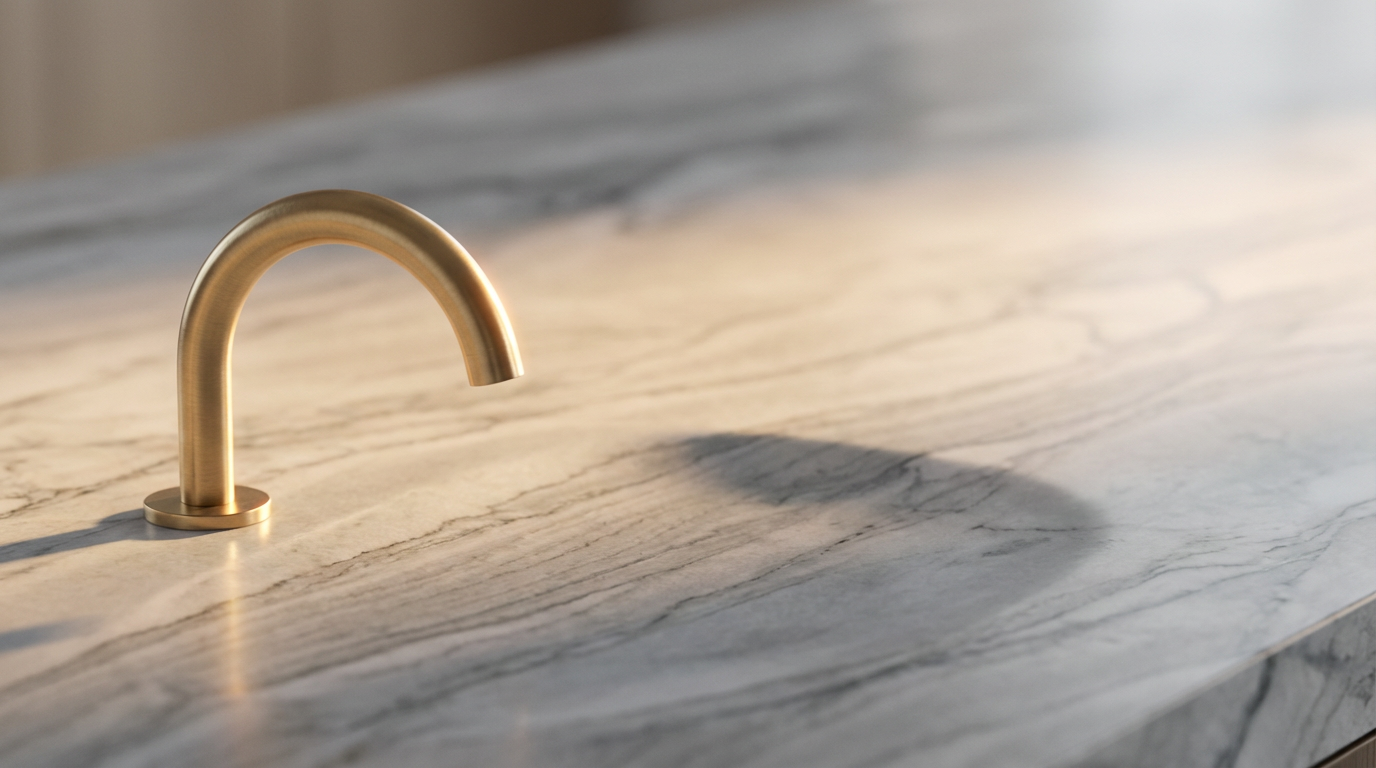
One of the most persistent myths in modern housekeeping is that white vinegar is a safe, universal disinfectant. While it is an effective descaler for specific tasks, its high acidity makes it a dangerous choice for many premium materials. If you find yourself asking what should you not use vinegar on, the answer begins with natural stone.
Warwickshire kitchen renovations frequently feature granite, marble, or limestone. These materials are highly susceptible to the chemistry of etching. When acetic acid contacts the calcium carbonate found in these stones, a chemical reaction occurs that physically dissolves the surface layer. This is not a surface stain; it is a permanent change in the stone's texture that leaves behind dull, cloudy patches. Once the polish is etched, it often requires professional restoration to return the shine.
Beyond the kitchen, vinegar poses a significant threat to household appliances and flooring. Many residents use it as a natural alternative to fabric softener, yet the acid gradually eats away at the rubber seals and hoses in washing machines, leading to premature leaks and mechanical failure. On hardwood floors, vinegar acts as a solvent that strips away protective wax or polyurethane finishes. Once this barrier is compromised, the timber becomes porous and vulnerable to moisture damage. Avoiding this acidic trap is a vital part of the professional cleaning services we provide, as we prioritize the longevity of your home's finishes. Understanding these common cleaning mistakes to avoid ensures that your cleaning routine protects your investment rather than eroding it.
2. Spraying Chemicals Directly onto Surfaces
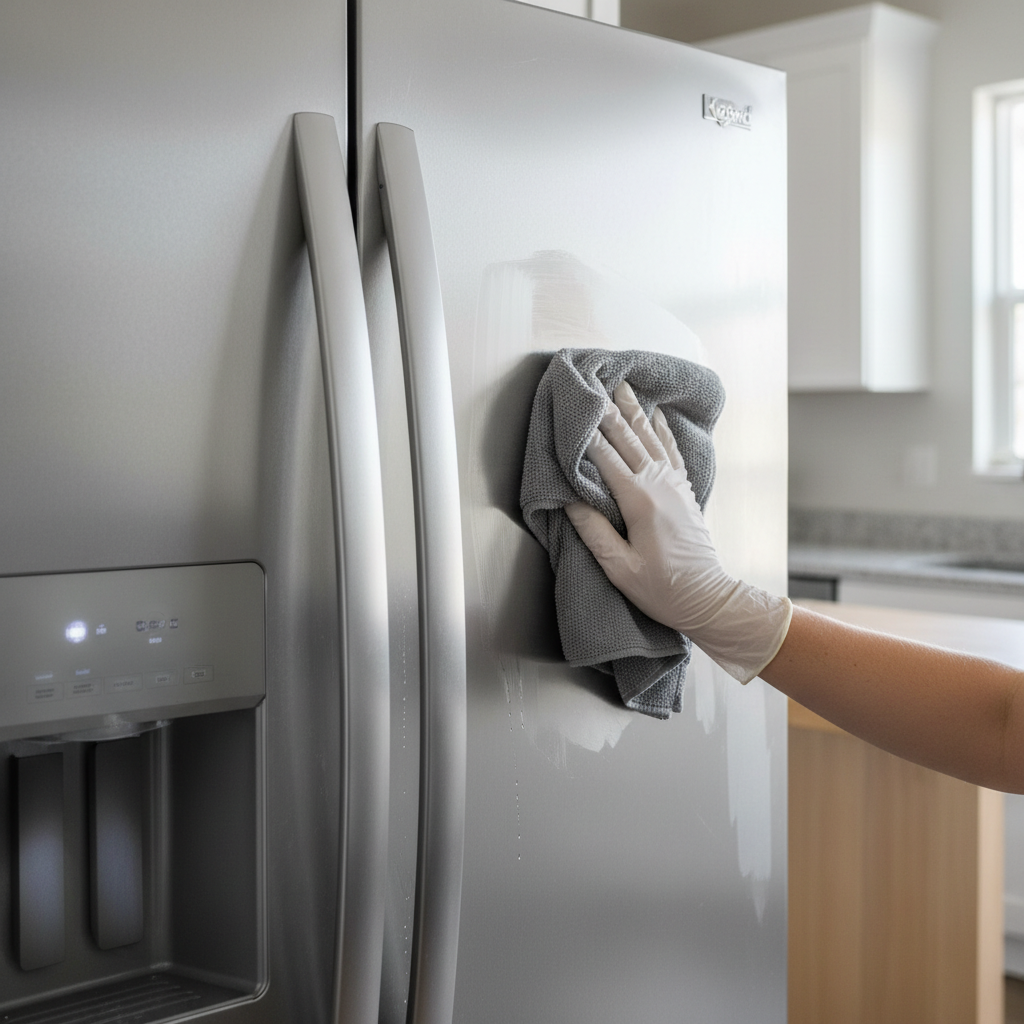
Saturating a surface may feel thorough, but spraying liquids directly onto furniture or electronics is one of the most common cleaning mistakes to avoid. When you spray a solution directly onto a wooden sideboard or a monitor, you risk moisture seeping into delicate joinery or sensitive internal components. This leads to unsightly product buildup and, in the case of technology, potential mechanical failure.
Direct application also negatively impacts visual clarity. On windows and mirrors, it frequently causes heavy streaking that is difficult to buff out. On timber, the excess chemical creates a sticky film. This residue acts as a magnet for airborne particles; consequently, your home actually attracts dust faster than it would otherwise. To achieve a professional finish, apply the cleaning agent directly to a clean microfibre cloth first. This method allows for a controlled, even application and eliminates the overspray that can damage surrounding fabrics or wallpapers. Our team utilizes these precise techniques across our professional cleaning services to ensure your property remains pristine without unnecessary wear.
3. Ignoring Dwell Time and the 20 Minute Rule
Efficiency is often mistaken for speed in a domestic setting, leading to one of the most frequent common cleaning mistakes to avoid: ignoring dwell time. Most UK-formulated cleaning agents, particularly disinfectants and degreasers, are not designed to work on contact. They require a specific period of time to chemically break down lipids in bacteria or dissolve stubborn grease. When you spray and wipe immediately, you are essentially just moving surface dust around rather than achieving true sanitisation.
For comprehensive results, we recommend the 20 minute rule. During a session of deep cleaning vs regular cleaning, allowing a product to sit for twenty minutes enables it to penetrate thick grime that manual scrubbing alone cannot reach. This pause allows the chemistry of the product to do the heavy lifting for you. However, professional expertise is required to identify when dwell time becomes dangerous. Leaving bleach-based products on chrome taps or stainless steel for extended periods can cause permanent pitting and corrosion. This chemical reaction eats into the metal finish, leaving dark, irreversible spots. Balancing effective contact time with material safety is a cornerstone of our professional cleaning services, ensuring your fixtures remain sterile and structurally sound without the risk of chemical damage.
4. Cleaning from Bottom to Top
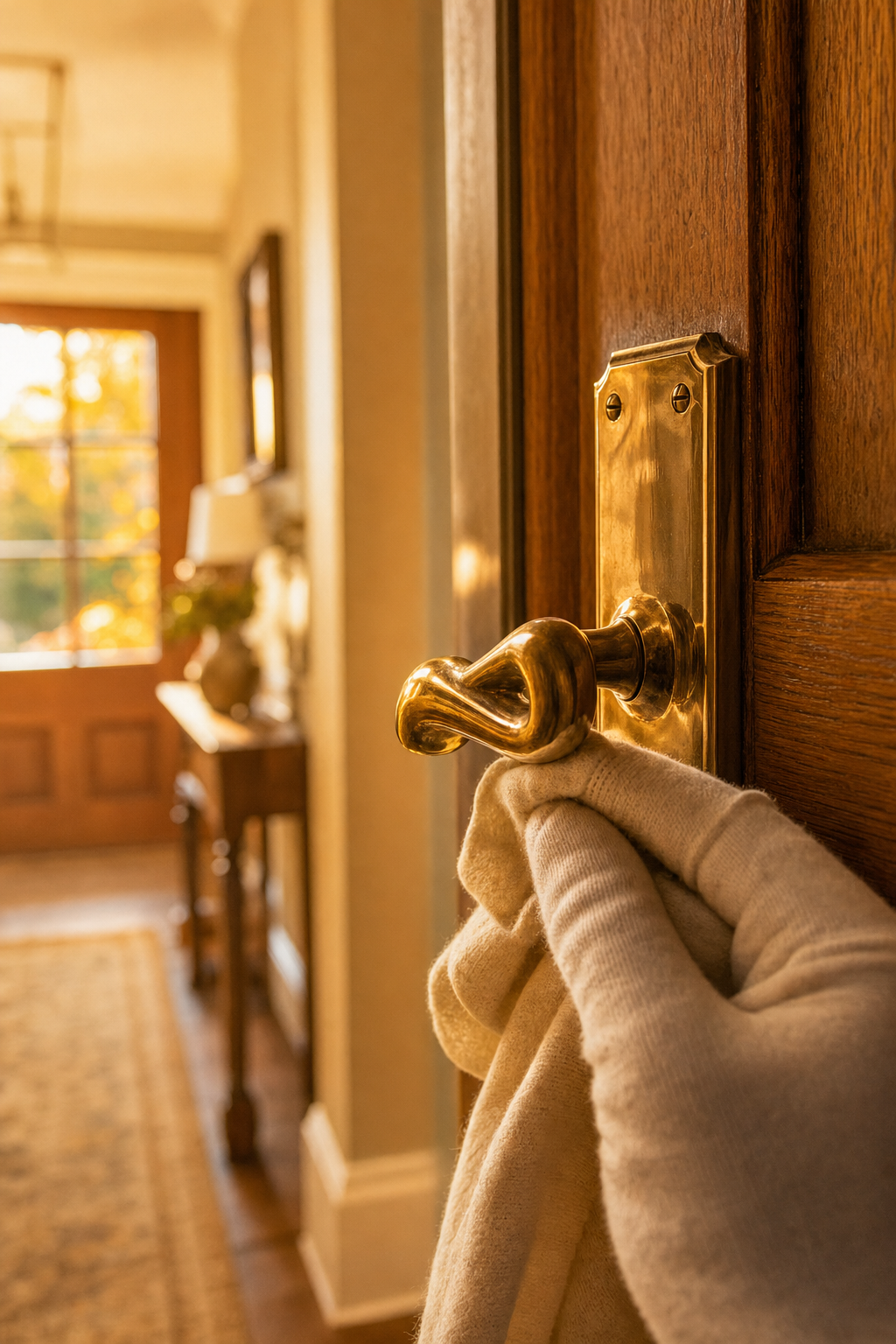
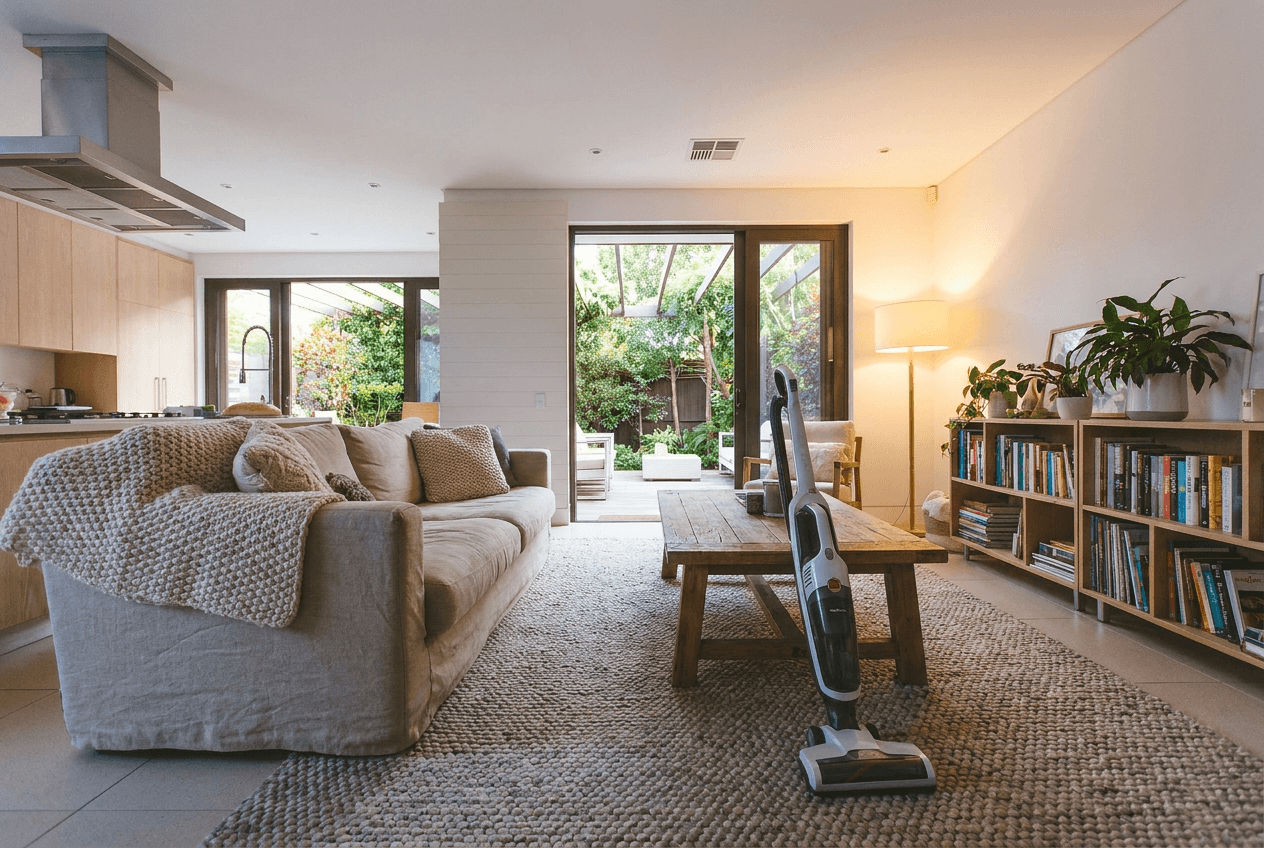
Cleaning should always follow the law of gravity. One of the most common cleaning mistakes to avoid is starting with the floors or lower surfaces. When you wipe a mantelpiece or clear cobwebs from a ceiling corner, microscopic particles, crumbs, and allergens inevitably fall. If you have already mopped or vacuumed, you will find yourself repeating the task as debris settles on your finished work.
Our professional cleaning services utilise a strict top to bottom workflow to ensure maximum efficiency. This process starts at the highest point of the room, such as ceiling fans, light fixtures, or the tops of wardrobes. From there, work your way down to mid-level surfaces like desks and skirting boards. As research suggests, you must always dust before vacuuming. This sequence ensures that any displaced grime is captured during the final floor stage. This structural approach is a key differentiator in deep cleaning vs regular cleaning protocols, ensuring that domestic and commercial cleaning efforts are not wasted by re-contaminating lower surfaces.
5. Using the Same Cloth Throughout the House
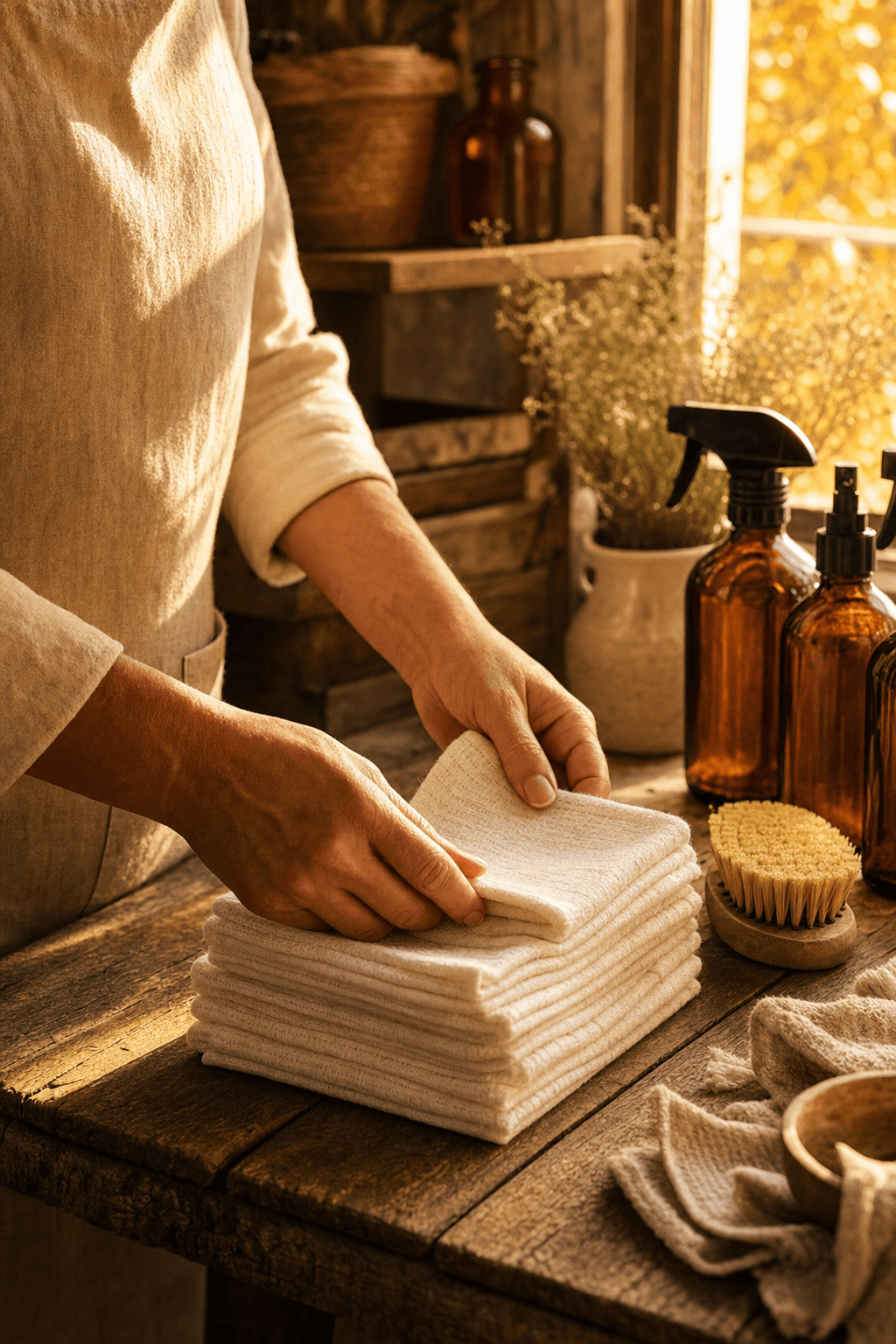
While structural efficiency matters, the tools you use are equally critical to achieving a sterile result. Using a single cloth to clean multiple rooms is one of the most significant common cleaning mistakes to avoid because it facilitates cross-contamination. Pathogens and bacteria found in high-risk areas, such as the bathroom, can be easily transferred to food preparation surfaces in the kitchen if the same microfibre is used. This habit effectively redistributes germs and allergens rather than removing them, making your environment less hygienic than when you started.
To maintain the high standards expected from domestic and commercial cleaning, we recommend implementing a strict colour-coded microfibre system. This method, used by our team at Hayojum Limited, ensures that high-risk zones remain isolated. Use red cloths strictly for toilets and urinals, yellow for bathroom sinks, green for kitchen surfaces, and blue for general dusting in living or office areas. Adopting this rigorous approach prevents the spread of illness-causing bacteria and ensures that your professional cleaning services mindset translates into a safer, truly sanitised property.
6. Mismanaging Warwickshire's Hard Water Buildup
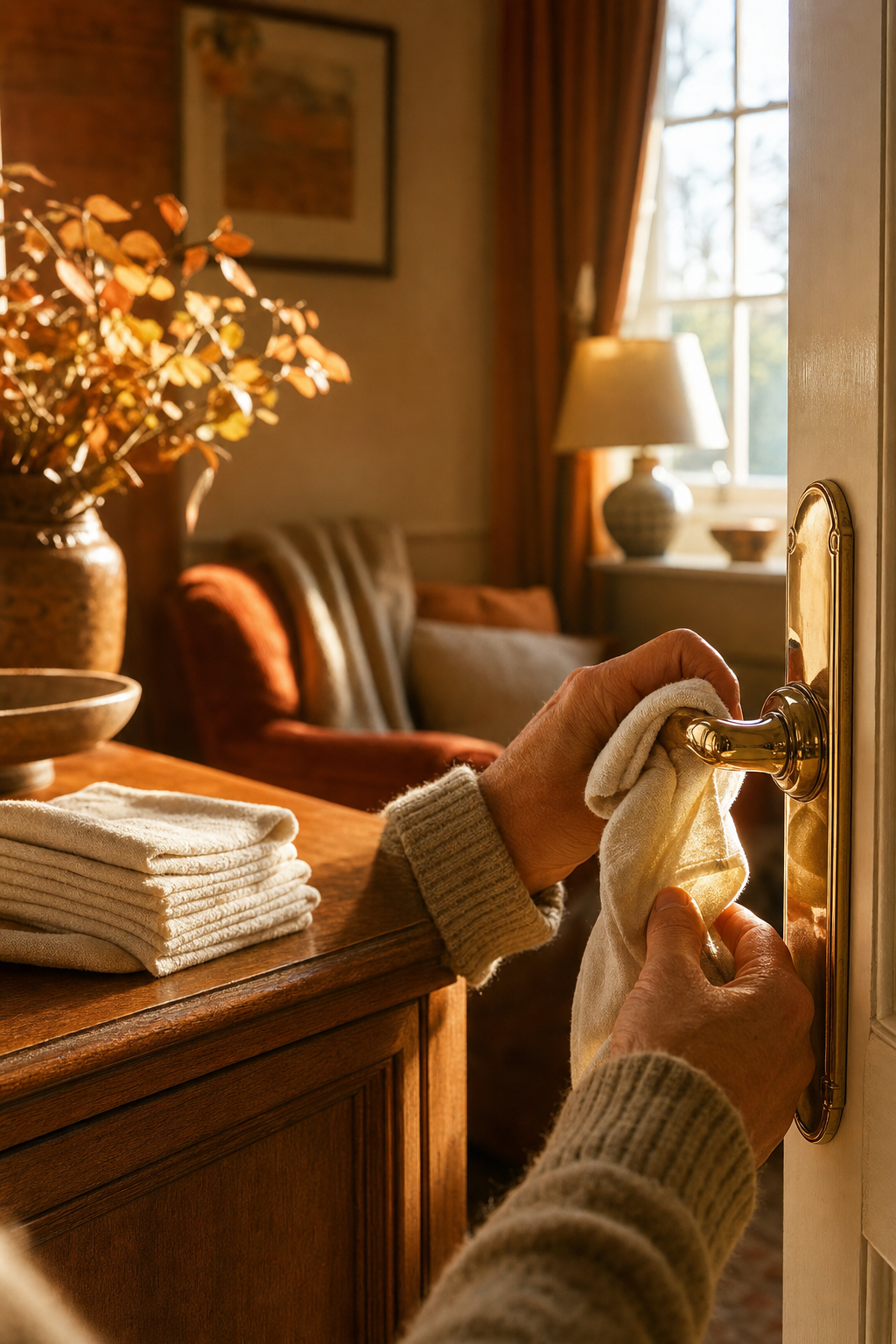
Properties across Warwick, Leamington Spa, and Stratford-upon-Avon frequently struggle with the high mineral content characteristic of Warwickshire’s hard water. One of the most damaging common cleaning mistakes to avoid is attempting to remove stubborn limescale from taps or shower screens using abrasive scouring pads. While the friction may appear to clear the white crust, it simultaneously creates micro-scratches on chrome and glass surfaces. These abrasions permanently dull the finish of high-end fixtures and create a textured surface that allows future mineral deposits to bond more easily, accelerating the buildup cycle.
To preserve your bathroom’s integrity, we recommend the 'soak and soften' method. This involves saturating a microfibre cloth in a targeted descaling solution and wrapping it securely around the affected tap or shower head. This allows the chemistry to break down the calcium carbonate deposits without the need for aggressive scrubbing. By dissolving the bond rather than scraping it, you maintain a smooth, reflective surface. For heavily scaled glass, our professional cleaning services utilise specialized, non-abrasive treatments designed to restore transparency while protecting the manufacturer's coating.
7. Overusing Cleaning Products: The Residue Problem
While addressing hard water requires a targeted approach, the volume of product you apply is equally critical to the health of your surfaces. A common misconception in home maintenance is the idea that doubling the dose of detergent equates to a superior result. In reality, over-application is one of the most counterproductive common cleaning mistakes to avoid. Most liquid cleaners are formulated with surfactants designed to suspend dirt; when used in excess, these chemicals cannot be fully rinsed away.
This surplus leaves a microscopic, tacky film across your floors and worktops. On Luxury Vinyl Tile (LVT) or sealed timber, this residue creates a dull, streaky appearance that no amount of buffing can fix. In carpets, excess shampoo acts as a literal magnet for new debris, leading to rapid re-soiling shortly after a deep cleaning vs regular cleaning session. Our professional cleaning services rely on precise, manufacturer-recommended dilution ratios. By using scientifically measured amounts, we achieve a genuine, 'squeaky clean' finish that remains pristine longer, avoiding the sticky aftermath that DIY efforts often produce.
8. Mixing Chemicals: A Dangerous DIY Gamble
While overusing a single product leads to unsightly residue, combining different agents can lead to life-threatening emergencies. Mixing chemicals is one of the most critical common cleaning mistakes to avoid. Many DIY enthusiasts believe that combining the disinfecting power of bleach with the acidic punch of white vinegar will create a super cleaner. In reality, this specific combination triggers a chemical reaction that releases toxic chlorine gas. Even in small quantities, inhaling these fumes can cause severe respiratory distress, chest pain, and burning in the throat.
Another hazardous pairing is bleach and ammonia, which is frequently found in glass cleaners or certain floor detergents. This mixture produces chloramine gas, a volatile substance that can cause shortness of breath and coughing. Professional domestic and commercial cleaning standards exist specifically to prevent these volatile interactions. At Hayojum Limited, our staff are trained in chemical safety protocols to ensure every professional cleaning services session is conducted without risk to your health. Never assume that two safe household products are compatible; always follow manufacturer instructions and maintain strict product separation to protect your home environment.
When to Call a Professional: Protecting Your Investment
Recognising common cleaning mistakes to avoid is a vital step toward preserving your property, yet certain tasks carry risks that go beyond general household knowledge. High-value assets, such as hand-woven rugs or porous natural stone worktops, require a sophisticated approach to chemical interaction and technique. Hayojum Limited provides professional cleaning services that prioritise material integrity above all else. We understand the specific requirements of diverse surfaces, from the delicate pH balance needed for wool fibres to the heavy-duty degreasing agents required for office hobs.
Professional expertise is essential when deciding between deep cleaning vs regular cleaning for your home or business. Our team uses precisely calibrated solutions to ensure no structural damage, etching, or surface dulling occurs. For comprehensive domestic and commercial cleaning across Warwickshire, trusting an expert prevents the long-term degradation caused by improper DIY methods.