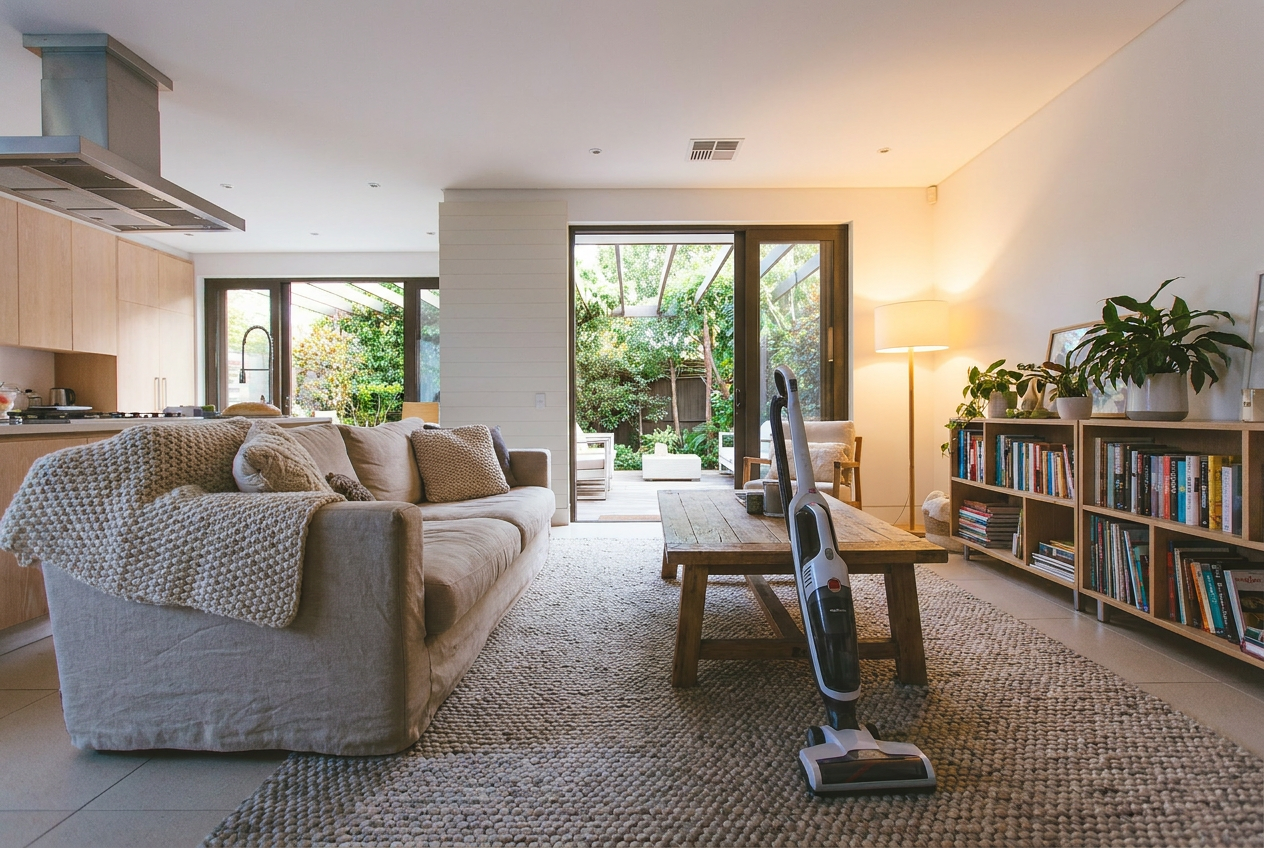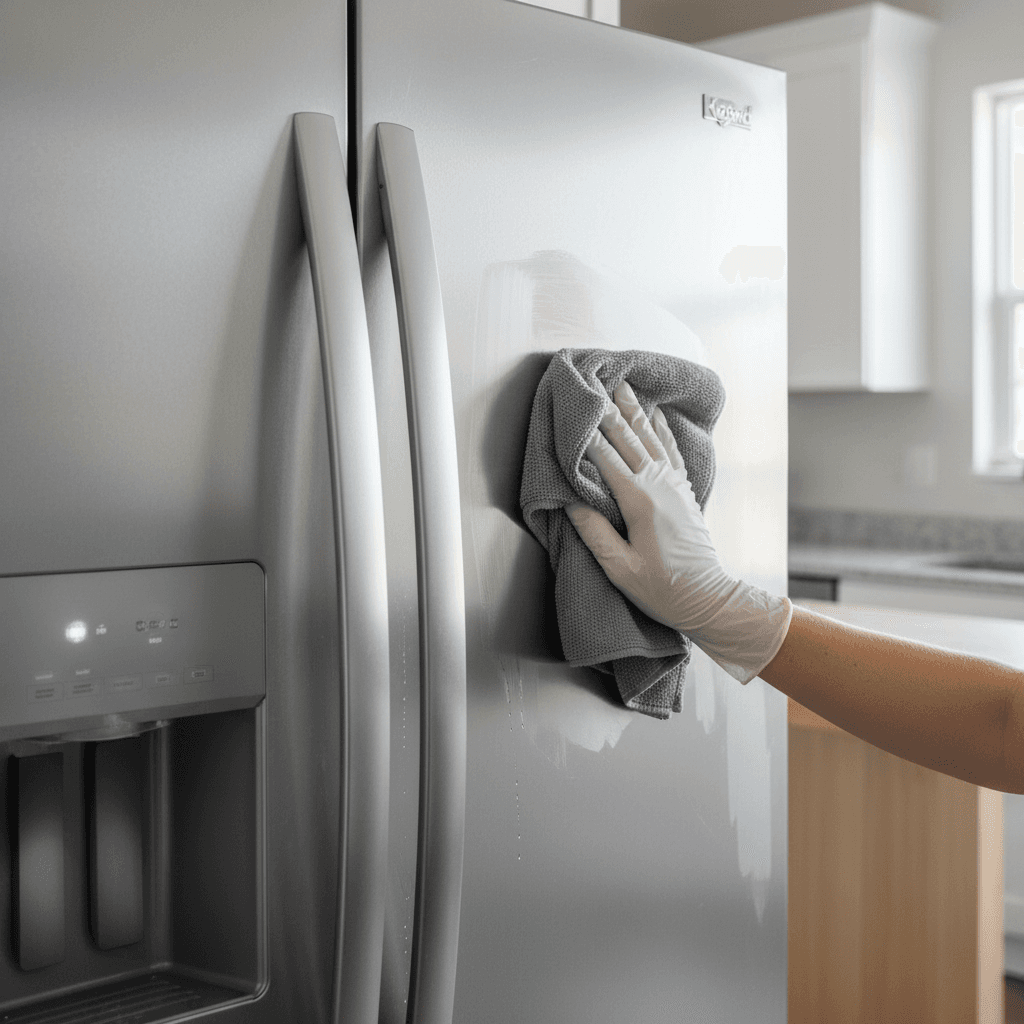
Determining how often should you clean your house depends on specific tasks; high-traffic areas like the kitchen require daily resets while general maintenance like vacuuming and changing bedding should occur weekly. Monthly sessions are ideal for deeper cleans of appliances and hidden dust, ensuring your home remains healthy and manageable for a busy family.
Maintaining a pristine home within the constraints of a fast-paced UK lifestyle often feels like an uphill battle against mounting chores. Many homeowners struggle to balance professional commitments with the upkeep of high-traffic areas; this frequently leads to a cycle of reactive cleaning rather than proactive maintenance. Establishing a realistic schedule is essential for preserving your property and ensuring a healthy living environment for your family. This guide provides a professional framework to help you master your domestic routine without sacrificing your entire weekend. You will discover our signature 5-5-5 rule for daily resets, specific frequencies for managing limescale in wet rooms, and the most efficient order to tackle every room in the house. We will also address when it is necessary to transition from routine maintenance to a professional deep clean to protect your investment.
The Challenge of Maintaining a Clean Home in a Busy UK Household
Life in Warwickshire moves fast. Between commuting to business hubs like Coventry and Birmingham or managing busy school schedules, the home often becomes the catch-all for daily chaos. Social media cleaning influencers often exacerbate this pressure by showcasing polished, minimalist interiors that feel unattainable. For a real household, the goal is not a museum-standard aesthetic but a space that promotes hygiene and mental clarity.
Living in the UK introduces specific environmental hurdles that dictate the rhythm of your housework. Our unpredictable rainy weather means hallways are frequently subject to damp footprints and muddy shoes. If you have pets, local walks across the countryside inevitably bring dander and grit indoors. These regional factors mean the answer to how often should you clean your house is rarely a one-size-fits-all solution; it must adapt to the footfall and climate of your specific property.
A realistic routine prioritises comfort over perfection. It focuses on high-impact tasks like sanitising food preparation areas and managing floor debris rather than obsessing over every stray item. While professional domestic cleaning services can provide a essential reset, establishing a baseline for your daily and weekly needs helps manage the 'overwhelm' that many busy professionals feel when walking through the front door.
The 5-5-5 Rule for Quick Daily Resets
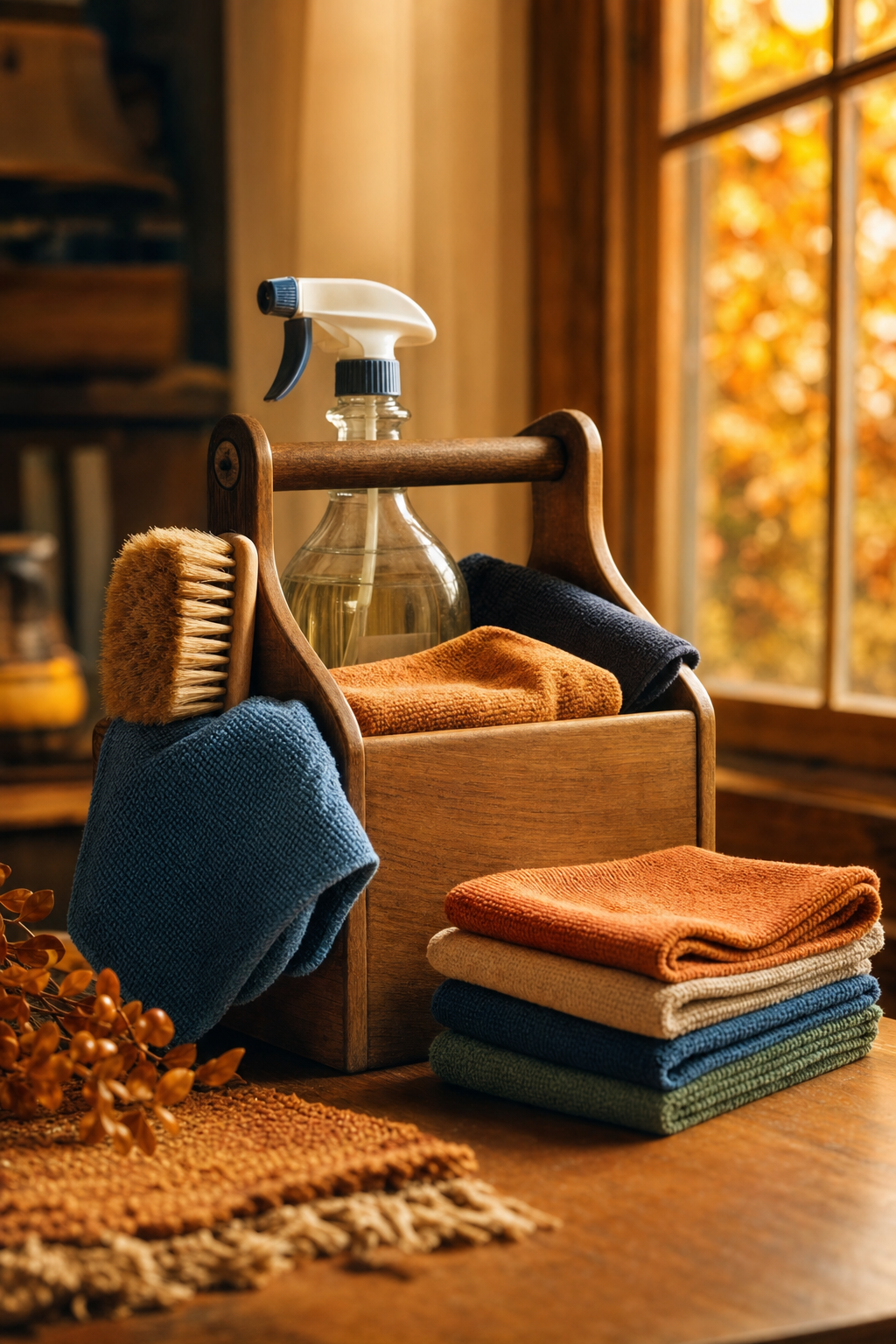
When the scale of housework feels unmanageable, the 5-5-5 rule serves as a powerful psychological and practical tool. This method involves spending exactly five minutes in three high-impact zones: the kitchen, the living room, and the bathroom or entryway. By setting a timer, you shift the focus from an exhausting deep scrub to a strategic 'reset' that restores order. This approach helps answer the question of how often should you clean your house by separating essential daily maintenance from more intensive weekly chores.
The first five minutes belong in the kitchen. Focus exclusively on visible surfaces that impact food safety and visual clutter. Clear the hob of any recent spills, wipe down the primary worktops, and ensure the sink is rinsed and empty. A clean sink is a proven psychological win that instantly makes the room feel managed.
Moving to the living room for the next five minutes, prioritize 'visual noise.' Fold the sofa throws, plump the cushions, and remove stray items like mugs or mail from the coffee table. These small actions signal to the brain that the space is ready for relaxation rather than a source of stress.
The final five minutes are dedicated to the bathroom and entryway. In Warwickshire homes where local walks often lead to damp footwear, use this time to organize shoes on the rack and hang up coats. In the bathroom, a quick wipe of the basin and straightening the towels prevents the early stages of grime buildup. While these micro-bursts are highly effective for daily upkeep, they are designed to supplement professional domestic cleaning services rather than replace the need for deeper hygiene. This 15-minute daily investment keeps the home functional and welcoming without the burnout associated with marathon cleaning sessions.
How Often to Clean Each Room: A Professional Breakdown

Establishing exactly how often should you clean your house depends on the functional demands of each room. While a hallway in a rural Warwickshire home might need daily vacuuming to manage mud and grit, a spare bedroom might only require a monthly dusting. This professional breakdown provides a realistic framework for the modern UK household, balancing high-hygiene areas with low-traffic zones.
Area | Daily Maintenance | Weekly Tasks | Monthly Deep Tasks |
|---|---|---|---|
Kitchen | Wipe hobs and worktops, wash dishes, rinse sink | Mop hard floors, sanitise microwave, wipe cupboard fronts | Deep clean oven, clear and wipe fridge, descale kettle |
Bathrooms | Wipe basin, squeegee shower glass | Thoroughly sanitise toilet, scrub shower and bath | Deep grout scrub, descale taps and showerheads, wash mats |
Living Areas | Tidy visual clutter, plump sofa cushions | Vacuum carpets and rugs, dust all hard surfaces | Dust skirting boards, clean internal windows, polish wood |
Bedrooms | Make bed, hang up or bin clothes | Change bed linens, vacuum floor, dust bedside tables | Vacuum under the bed, declutter wardrobes, rotate mattress |
Adhering to a weekly schedule prevents the buildup of dust and allergens, particularly in carpeted areas where pet dander and outdoor debris settle. In the kitchen, daily attention to food preparation surfaces is essential for safety, while the weekly mop deals with the inevitable footprints from a rainy British afternoon. Because Warwickshire often features hard water areas, the monthly descaling of kettles and taps is a practical necessity to prevent long-term damage and maintain appliance efficiency.
Understanding the nuances between these frequencies helps you decide when to handle tasks yourself and when to seek professional support. There is a significant difference between Deep Cleaning vs Regular Cleaning; the daily and weekly tasks constitute regular maintenance, whereas the monthly list often requires more time and specialised products. If the monthly column starts to feel like a growing burden, professional domestic cleaning services can step in to manage those intensive tasks, ensuring your home remains a sanctuary rather than a source of stress. This structured approach moves your routine from a state of constant reaction to one of professional efficiency.
The Kitchen: Focusing on Food Safety and High Traffic
Applying that professional efficiency begins in the kitchen, the engine room of any active Warwickshire home. Daily non-negotiables must focus on food safety, specifically wiping down worktops and the hob after every meal to prevent cross-contamination and the hardening of grease. One often overlooked area is the kitchen sink. Despite being a place of cleaning, the damp environment means it can harbour significantly more bacteria than a toilet seat if not sanitised nightly with an antibacterial agent.
For local families, managing floor hygiene is essential to prevent crumbs and spills from becoming a larger issue. Spilled liquids or dropped food fragments quickly turn into sticky residues that attract pests or get tracked across carpets in other rooms. A quick evening sweep or a targeted vacuum of the kitchen floor maintains a high standard of hygiene between deeper weekly mops. If the cumulative demand of these tasks feels overwhelming, professional domestic cleaning services offer a solution for maintaining these high-traffic zones. This targeted approach ensures that the question of how often should you clean your house is answered by prioritising hygiene where it matters most.
Bathrooms and Wet Rooms: Managing Humidity and Limescale
Bathrooms require a strategic approach to combat the specific environmental challenges of the UK climate. In Warwickshire, the local water supply often results in stubborn limescale deposits on taps and showerheads. When combined with the high humidity typical of British bathrooms, this creates a prime environment for mould to take root in grout and sealants. Determining how often should you clean your house in these wet zones depends on usage, but a weekly sanitisation of the toilet and basin is the professional standard.
The shower and bathtub generally require a more intensive scrub bi-weekly to prevent soap scum from bonding with mineral deposits. To reduce the time spent on these tasks, use a squeegee on glass screens and tiles after every use. This five-second habit clears standing water, significantly slowing the development of limescale and mildew. While this routine keeps surfaces manageable, many residents find that professional domestic cleaning services are essential for the thorough descaling and sanitisation these rooms eventually require. This practical approach ensures your bathroom remains a fresh, functional space rather than a chore-heavy zone.
Bedrooms and Living Areas: Dust and Bedding Cycles
Shifting focus from the humidity of wet rooms, bedrooms and living areas require a strategy centered on textile maintenance and dust suppression. If you are calculating how often should you clean your bedroom, the most critical cycle is your bedding. To maintain proper sleep hygiene and remove accumulated skin cells and oils, change your sheets weekly. While a fortnightly cycle is a functional minimum for guest rooms, primary bedrooms in active Warwickshire households benefit significantly from a weekly refresh.
Flooring in these areas acts as a trap for environmental pollutants. Because many local properties feature deep-pile carpets, vacuuming at least once a week is necessary to prevent grit from damaging the fibres. This frequency keeps dust mites in check and maintains air quality in the rooms where you spend the most time. For secondary surfaces, a monthly schedule is sufficient. This includes dusting electronics, which attract particles through static, and wiping down skirting boards to remove the grey film that often goes unnoticed. If keeping up with these textile-heavy zones feels like a secondary job, professional domestic cleaning services can provide the consistent maintenance needed to keep your home allergen-free.
Adjusting the Schedule for Households with Pets
Living with pets in Warwickshire means your home faces a higher volume of organic debris than a pet-free household. Local walks through the Cotswolds or along the Avon are excellent for a dog's wellbeing, but they inevitably bring in mud, pollen, and grit. For these homes, the standard answer to how often should you clean your house requires a more rigorous adjustment to prevent the buildup of allergens.
Vacuuming frequency must double to maintain air quality and stop hair from embedding in carpet fibres. In high-traffic zones, daily vacuuming is often the only way to stay ahead of shedding and the fine dust distributed whenever a pet shakes. Beyond the daily floor sweep, many owners ask how often should you deep clean your house with pets. To manage the persistent odours and dander that settle into soft furnishings, consider a professional rug cleaning or an upholstery refresh every one to two months.
Pet dander also settles on hard surfaces, requiring more frequent dusting of skirting boards and shelving. If your living space includes fabric sofas or heavy drapes, these materials act as magnets for pet oils and bacteria. Utilising professional domestic cleaning services for these tasks ensures your home remains a hygienic environment. This proactive strategy highlights the value of Deep Cleaning vs Regular Cleaning in keeping a pet-friendly home fresh and functional.
The Best Order to Clean a House for Maximum Efficiency
Efficiency in a large Warwickshire property relies on logic rather than speed. When clients ask what is the best order to clean a house, professional standards always dictate a "top to bottom, left to right" methodology. Gravity ensures that dust and debris disturbed during the cleaning of ceiling fans, light fixtures, or the tops of wardrobes will settle on lower surfaces. By starting at the highest point and working your way down to the skirting boards and floors, you avoid the frustration of cleaning the same surface twice.
The "left to right" rule provides a mental map for each room, ensuring no corner or shelf is overlooked. This systematic approach is particularly helpful when managing the complexity of how often should you clean your house alongside a busy professional schedule. For the most efficient flow, prioritise "dry rooms" such as bedrooms and studies before moving to "wet rooms" like bathrooms and the kitchen. Cleaning dry areas first prevents you from tracking moisture, damp footprints, or strong sanitising chemicals onto carpets and rugs. This sequence also allows time for bathroom cleaners to dwell and break down limescale while you finish the lighter dusting tasks elsewhere. If this level of coordination feels too demanding, hiring professional domestic cleaning services can ensure your home is maintained with this professional rigour.
When a 2 Hour Clean Isn't Enough: Professional Deep Cleaning
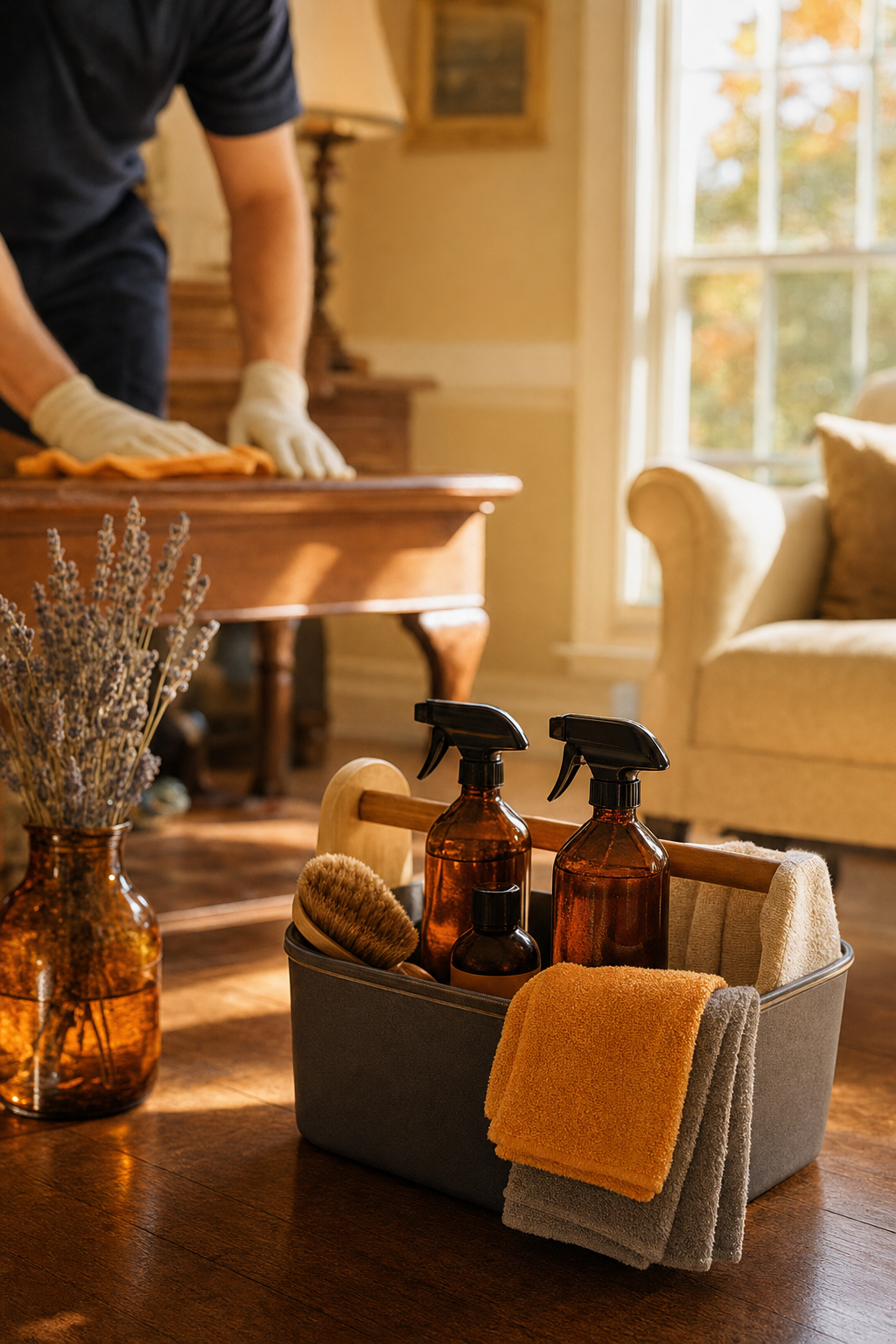
A common question for Warwickshire households is what a professional cleaner can realistically achieve in a two-hour session. In this timeframe, a cleaner typically focuses on the essentials: vacuuming high-traffic floors, sanitising kitchen worktops, and cleaning the primary bathroom. While this is excellent for maintaining a baseline of tidiness, it is important to be honest about the limitations. A two-hour visit covers the visible basics, but it does not allow for the meticulous detail required for a true deep clean.
When determining how often should you clean your house to preserve its condition, a professional deep clean every three to six months is the most effective strategy. This service tackles the intensive tasks that inevitably fall off a busy weekly schedule, such as degreasing the oven, cleaning internal windows, and descaling hard-to-reach bathroom fixtures. These are the areas where grime accumulates slowly, eventually becoming difficult to remove with standard household products.
Choosing professional domestic cleaning services for these seasonal resets ensures that your home receives a level of hygiene that daily resets cannot provide. This professional intervention prevents long-term wear on your property's surfaces. For a clearer understanding of which service fits your current needs, reviewing the differences between Deep Cleaning vs Regular Cleaning can help you plan a maintenance schedule that remains realistic and sustainable.